
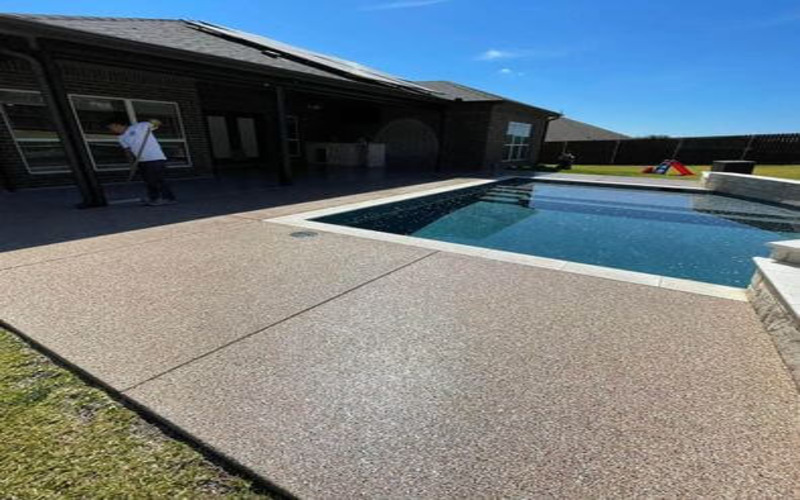
If you’re considering an epoxy finish for your concrete surfaces in College Station, you’re making a smart choice for durability and aesthetics. Epoxy coatings provide a sleek, protective layer that can transform garages, patios, and commercial floors into stunning, long-lasting spaces. However, the key to a flawless epoxy application lies in proper preparation of the concrete surface. Without the right groundwork, even the best epoxy products can fail to adhere, leading to peeling, cracking, or uneven finishes. Let’s dive into the essential steps to prepare your concrete for a professional-grade epoxy finish.
Why Preparation Matters for Epoxy Finishes
Epoxy is a high-performance coating that bonds directly to the concrete, creating a seamless and durable surface. For this bond to hold, the concrete must be clean, dry, and free of imperfections. Any contaminants like oil, grease, or dirt can interfere with adhesion, while cracks or uneven areas can cause the epoxy to settle improperly. In College Station, where humidity and temperature fluctuations are common, preparing the concrete correctly also helps prevent moisture-related issues that could compromise the finish over time.
Start by thoroughly cleaning the surface. Sweep away loose debris, then use a degreaser to remove oil stains or grime, which are common in garage floors. A pressure washer can be incredibly effective for deep cleaning, ensuring no residue remains. After cleaning, allow the concrete to dry completely—moisture trapped beneath the epoxy can lead to bubbling or delamination. In humid areas like College Station, using a dehumidifier or fans during drying can speed up the process and ensure optimal conditions.
Next, inspect the concrete for cracks, chips, or uneven spots. Small cracks can be filled with a concrete patching compound, while larger damages may require professional repair. Once repairs are made, sand or grind the surface to create a slightly rough texture. This step, often done with a concrete grinder, helps the epoxy adhere better by opening up the pores of the concrete. Finally, test for moisture by taping a plastic sheet to the floor for 24 hours—if condensation appears, additional drying or a moisture barrier may be needed.
By investing time in these preparation steps, you’re setting the stage for a stunning and durable epoxy finish. Whether you’re upgrading a home garage or a commercial space in College Station, a well-prepared surface ensures your investment lasts for years. If the process feels overwhelming, consider consulting a local professional to guarantee flawless results.